

Step into the future of marketing by exploring the top 10 innovative technology trends that will shape this dynamic industry.
Get ready to take your customer engagement to the next level with these groundbreaking trends, from AI-powered chatbots to seamless integration of wearable technology. These innovations are set to revolutionize the way businesses interact with their customers and drive growth like never before. Are you ready to dive into the exciting world of marketing technology? Let’s explore!
1. AI-Powered Chatbots and Conversational Marketing
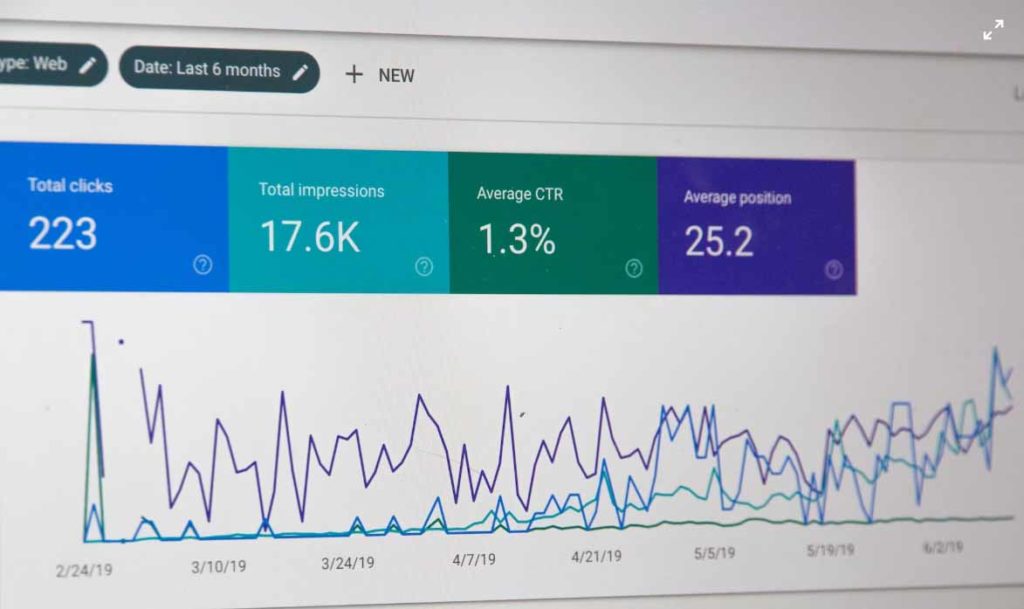
Using the power of machine learning and natural language processing, marketers are able to develop chatbots that provide personalized customer experiences. This groundbreaking technology allows businesses to swiftly offer customers accurate information and deliver customized support.
AI-generated content is revolutionizing the way companies approach content marketing. The use of AI allows for the creation of long-form educational materials that effectively engage target audiences and foster customer loyalty through user-generated content. This advancement has prompted a greater emphasis on enhancing overall marketing efforts.
As we move forward into this era, it is anticipated that social media platforms will increasingly utilize human-like bots as a crucial component of successful strategies aimed at improving customer engagement and responding to queries.
2. Immersive Experiences with Augmented and Virtual Reality
Augmented and virtual reality are revolutionizing the marketing industry by offering immersive technologies that create engaging experiences.
These technologies are particularly effective in attracting younger customers. Furthermore, it can foster higher levels of engagement and loyalty, including in industries impact by marketing, like gaming baccarat online or doing online shopping . By leveraging social media platforms for live streaming, communication, reviews, and customer interactions, this approach creates opportunities for additional revenue streams.
Combining DOOH advertising solutions with hybrid events and ad campaigns that include 360-degree videos and holographic projections allows marketers to create captivating moments that engage target audiences, ultimately enhancing market value.
3. Voice Search Optimization and Voice-Activated Advertising
With the increasing popularity of smart speakers and virtual assistants, businesses need to prioritize voice search optimization in their marketing strategies. Research indicates that 30% of online activities now involve voice search. It means companies must adapt their data management systems accordingly. In 2020 alone, 27% of people utilized this technology-integrated function on their devices.
Voice marketing provides various services, including programmatic audio advertising and remarketing. It also offers unique opportunities on music streaming platforms and podcasting platforms, allowing digital marketers to directly engage with customers through highly interactive channels.
4. Mobile-First Marketing Strategies

Mobile devices have become essential to success in the modern, quick-paced marketing industry. It’s projected that mobile advertising spending will hit $339 billion by 2023. Therefore, companies must adapt their websites and campaigns accordingly for successful utilization of this device segment’s increasing popularity when it comes to online services or shopping.
An effective strategy involves optimizing all relevant technologies to be mobile-friendly, including AI personalization. By leveraging voice assistants and implementing voice marketing strategies, businesses can expand their customer reach and foster loyalty, gaining a competitive advantage in the process.
5. Data-Driven Personalization and Hyper-Targeting
In today’s rapidly evolving technological landscape, staying ahead in marketing requires embracing innovative strategies. Data-driven personalization and hyper-targeting have emerged as key trends that are reshaping the industry. By leveraging customer data platforms and harnessing advanced analytics, companies can now create customized experiences tailored to individual needs and preferences. This not only fosters customer loyalty but also enhances engagement levels, setting businesses apart from their competitors.
It is crucial to prioritize and protect user trust by ensuring privacy while providing personalized services. This not only meets the current legal requirements for privacy protection but also maintains the confidentiality of user information.
Leveraging Customer Data Platforms
By adopting Customer Data Platforms (CDPs), businesses can streamline their data management and customize marketing campaigns to effectively target specific audiences. These powerful tools enable companies to consolidate customer information from various touchpoints into a unified dashboard. Consequently, they offer a comprehensive understanding of their customers.
Balancing Privacy and Personalization
Creating customer trust in marketing technology requires a delicate balance between privacy and personalization. To achieve this, businesses should prioritize transparency in their data protection practices. In additional, they should establish ethical guidelines for information use, and utilize private-by-design infrastructure like Web3 marketing or Customer Data Platforms.
By customizing experiences within the bounds of privacy regulations, businesses can foster strong connections with customers while ensuring data security.
6. Blockchain Technology in Digital Advertising
The marketing industry is currently undergoing a revolution with the introduction of blockchain technology. This innovative technology is transforming digital advertising by providing businesses with secure records of all transactions, protected by unique encryption codes. This extra layer of protection helps to safeguard against fraudulent activities in the industry.
Advancements in technology have revolutionized campaign tracking, providing accurate data to ensure authenticity and trace the origin of products. This progressive tech has enabled companies to enhance their digital advertising strategies by reducing fraud, making optimal investments in promotional methods, and maintaining transparency throughout the process.
7. The Rise of Contextual Advertising in a Cookieless World
As the marketing industry moves towards a cookieless future, contextual advertising is emerging as a viable alternative to traditional targeted ads. Contextual ads are created in compliance with privacy regulations, ensuring user protection while delivering engaging experiences for audiences.
8. Integration of Wearable Tech and IoT in Marketing

Marketing strategies that utilize wearable tech and the Internet of Things have numerous benefits. These strategies include personalized advertising for smartwatches and other devices, increased visibility in search results, delivering targeted content to potential buyers at the right time, ultimately leading to higher conversion rates.
Additionally, wearables can enhance customer engagement. To prioritize SEO and gather valuable data, marketers should update their websites to be optimized for wearables. By incorporating this technology into marketing campaigns, businesses can create unique experiences designed specifically for today’s highly connected consumer base.
9. Low-Code/No-Code Marketing Automation
With low-code/no-code platforms, marketers can achieve their goals without relying heavily on IT assistance. Marketing automation becomes more accessible and streamlined with these innovative platforms.
Companies in this sector provide a range of services, including performance measurement for advertising campaigns and the introduction of NFT collections. By offering real-time analytics and data measurement across various channels, these companies strengthen marketing strategies. This enables streamlined efforts towards targeted objectives, leading to a better return on investment.
10. Omnichannel Communication and Seamless Customer Journeys
In the digital age, it is vital for businesses to deliver personalized experiences across various platforms. Meanwhile, they should cultivate lasting relationships with customers. When crafting campaigns, companies need to keep up with technology trends while also taking human behavior into consideration.
The emerging technologies, such as Web3, AI, blockchain, and XR, has the potential to revolutionize how companies market themselves and create customer experiences. By adopting an omnichannel approach that prioritizes personalization and incorporates cutting-edge technology, brands can cultivate customer loyalty through unforgettable interactions that drive long-term growth opportunities.
