Ever feel like there just aren’t enough hours in the day? We’re bombarded with emails, meetings, and never-ending to-do lists. It can be easy to get bogged down in the daily grind, leaving little time for the strategic thinking and creative problem-solving that truly drive progress. But what if there was a way to take back some of that lost time? Enter the world of AI virtual assistants (VAs).
Boosting Efficiency: How AI VAs Streamline Workflows
Think about the possibilities. The time you used to spend sifting through emails and scheduling appointments can now be dedicated to brainstorming new ideas, tackling complex challenges, and fostering collaboration with colleagues. With AI VAs managing the administrative minutiae, you can step into a more strategic role, leveraging your unique human skills to drive innovation and growth.
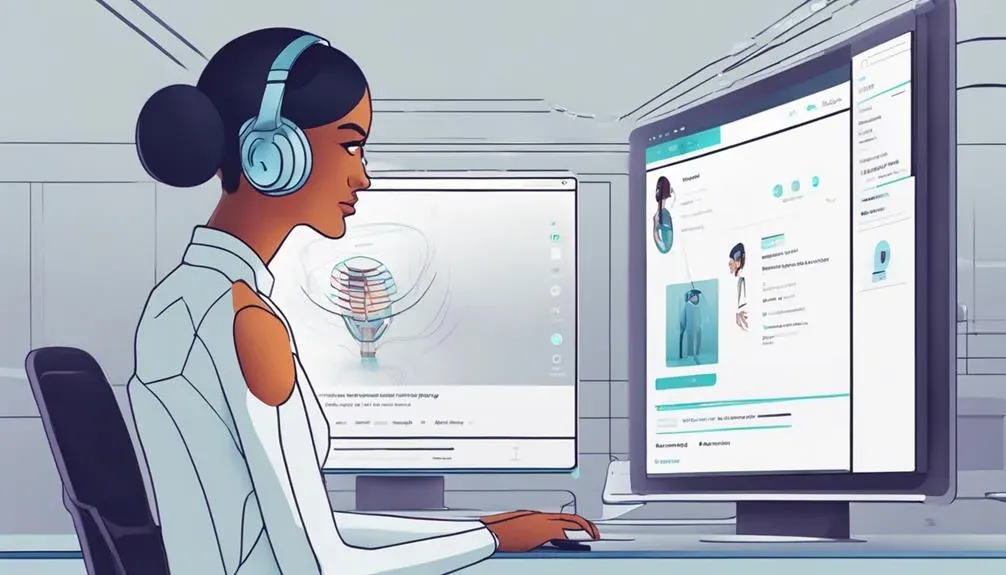
The impact of AI virtual assistants extends beyond individual productivity. By streamlining workflows across teams, these virtual assistants can also contribute to significant organizational improvements. They can help ensure consistency and accuracy in routine tasks, minimize human error, and free up valuable resources for higher-value projects.
This translates to a more efficient and effective organization, better equipped to navigate the ever-evolving business landscape.
Of course, AI VAs are not a silver bullet. They are tools, and like any tool, their effectiveness depends on how they are used. It’s important to remember that AI VAs are not meant to replace human intelligence and creativity. Instead, they are designed to complement and augment our capabilities, allowing us to work smarter, not just harder.
Beyond Automation: Additional Benefits of AI VAs
Enhanced Information Access
Imagine a world where finding the perfect piece of information is no longer a time-consuming struggle. AI VAs act as powerful information retrieval tools, capable of accessing and processing vast amounts of data from various sources. Need competitor analysis reports buried deep in the company intranet? No problem.
Trying to track down the latest industry research paper from an obscure academic journal? Your AI virtual assistant can find it in seconds. This eliminates the need for manual searches through countless emails, documents, and websites, saving users an average of 30% of their time spent searching for information according to a study by McKinsey Global Institute.
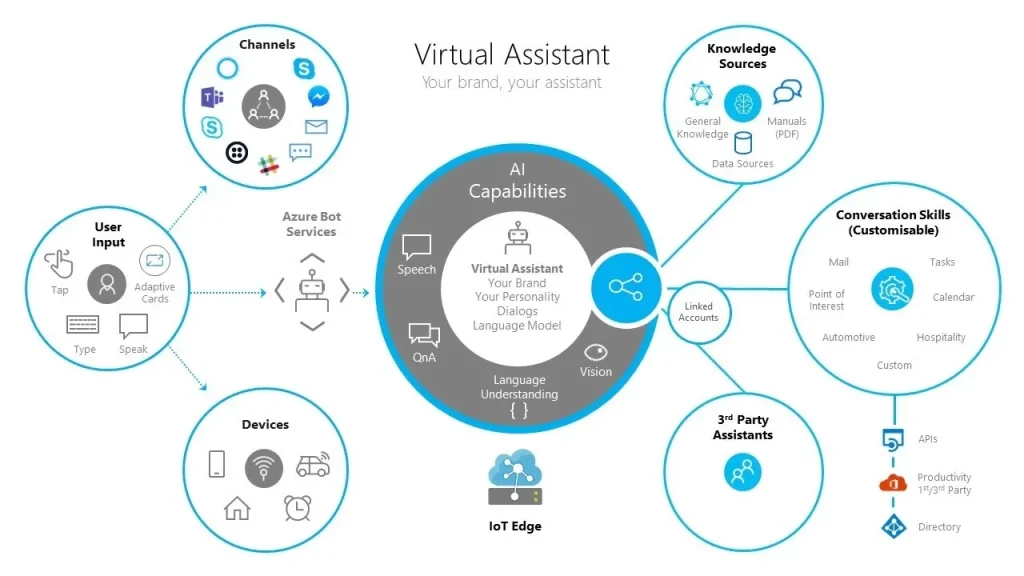
Improved Communication and Collaboration
Collaboration is key in today’s diverse and globally connected workplaces. However, language barriers, geographical distances, and asynchronous communication styles can often hinder seamless teamwork. AI VAs step in as communication facilitators, offering features like:
- Real-time language translation: This allows teams with multilingual members to communicate effectively, fostering inclusivity and breaking down language barriers.
- Meeting transcription and summarization: Forget scrambling to take detailed notes during meetings. AI VAs can transcribe and summarize key points, ensuring everyone is on the same page and can easily revisit crucial decisions later.
- Automated communication workflows: Tasks like sending meeting reminders, following up on emails, and scheduling calls can be automated by AI VAs, freeing up valuable time for human interaction and more strategic work.
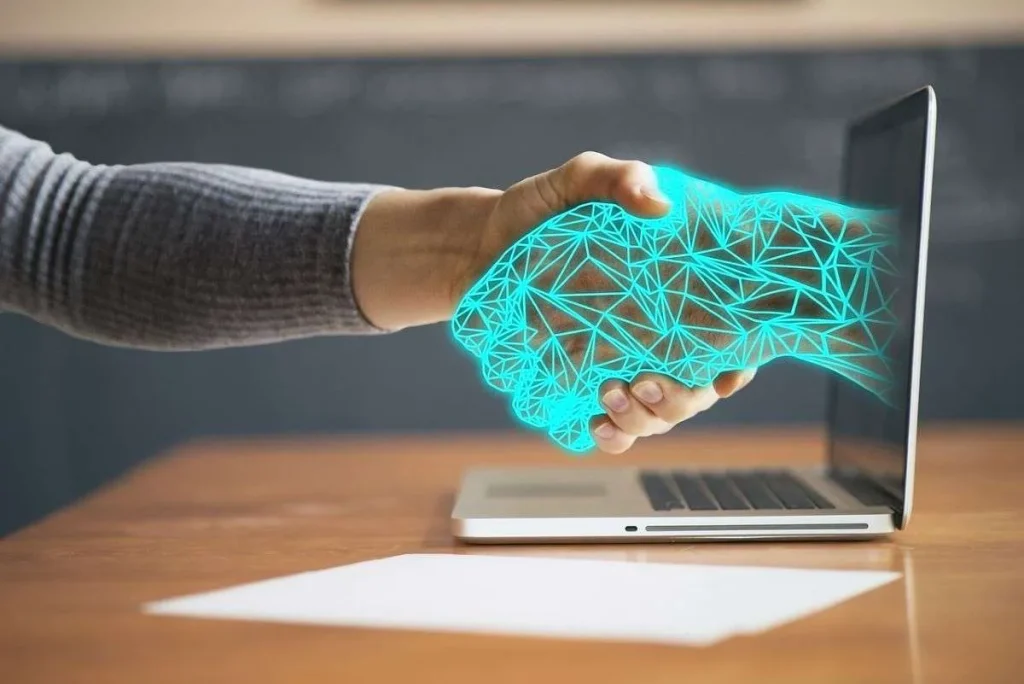
These features, combined with the ability to share documents and collaborate in real-time, contribute to a 40% increase in team collaboration efficiency, as reported by a study from Forrester Research.
Personalized Support and Learning
AI-powered virtual assistants can provide personalized support and learning opportunities tailored to individual needs and preferences. Imagine having:
- On-demand reminders and task management: Stay on top of deadlines and important tasks with personalized reminders and to-do lists generated by your VA, based on your schedule and priorities.
- Knowledge sharing: Need a quick refresher on a specific topic or company policy? Your assistant can access and provide relevant information and resources, fostering continuous learning and upskilling.
- Personalized feedback: AI virtual assistants can analyze your work (with your permission, of course) and provide personalized feedback, highlighting areas for improvement and celebrating achievements.
Reduced Work Stress and Improved Wellbeing
The constant pressure of deadlines, information overload, and an ever-growing workload can take a toll on employee well-being. AI VAs can help alleviate this stress by:
- Taking care of mundane tasks: By automating tasks and managing schedules, you’re freed up to focus on higher-level projects and creative problem-solving.
- Providing efficient support: Whether it’s finding missing reports or scheduling meetings, AI virtual assistants offer efficient assistance, allowing employees to spend less time on administrative tasks and more time on activities that contribute to their sense of purpose and fulfillment.
- Promoting work-life balance: By reducing workload and simplifying information access, virtual assistants can help create a healthier work environment, potentially leading to lower absenteeism rates and improved overall employee well-being.
Navigating the Maze: Challenges and Considerations for Implementing AI VAs
Data, the Double-Edged Sword
AI VAs thrive on data, but therein lies the first challenge: data privacy and security. According to a recent survey from CISCO, 96% of customers are concerned about the amount of data collected by companies, and with good reason.
As AI virtual assistants gather information about user preferences and interactions, robust data protection protocols become paramount. Companies need to ensure user data is encrypted, anonymized where possible, and used only for the intended purposes, with clear communication and user consent being central to building trust.
The Emotional Intelligence Gap
While AI VAs excel at following instructions and processing information, their current Achilles’ heel lies in the realm of emotional intelligence. Unlike human assistants, they can struggle to navigate complex or sensitive situations. Imagine a frustrated customer venting to an AI virtual assistant – the ability to empathize, de-escalate, and offer personalized support remains a hurdle for AI.
This doesn’t render AI assistants useless, but it highlights the need for strategic implementation. AI virtual assistants might excel at scheduling appointments, but for tasks requiring emotional understanding, human interaction might still be irreplaceable.
Change is Constant, But Comfort is Key
Implementing any new technology comes with a change curve, and AI VAs are no exception. A smooth transition requires careful planning and change management. Addressing potential concerns from employees about job displacement is crucial.
Transparency about the intended use of AI VAs, alongside clear communication regarding upskilling opportunities and the complementary nature of human-AI collaboration, can go a long way in fostering acceptance. Additionally, providing proper training and support to both employees and future AI VA users is essential for facilitating a seamless integration into existing workflows. Remember, the goal is to empower, not replace, human talent.
Real-World Examples of Companies Successfully Using AI VAs
The global market for AI is projected to reach a staggering $738 billion by 2030, driven by its ability to boost productivity, enhance customer service, and personalize user experiences.
Take Hilton Hotels, for example. They’ve implemented an AI VA named Connie who greets guests via in-room tablets, answers basic questions, and even controls smart room features like lighting and temperature. This not only frees up human staff for more complex interactions but also allows guests to personalize their stay at their own pace.
But AI VAs are far from mere digital concierges. In the realm of customer service, Sephora utilizes an AI assistant called Sephora Beauty Advisor to answer customer questions about products, recommend personalized selections, and even offer tutorials on makeup application. This 24/7 availability not only improves customer satisfaction but also frees up human staff to provide more in-depth consultations for those who need them.
The benefits extend beyond the front-facing interactions. Ford has implemented an AI virtual assistant named Clara to analyze massive datasets, identify car part failures before they occur, and predict maintenance needs. This proactive approach saves the company millions by preventing costly breakdowns and improving overall equipment effectiveness.
Of course, AI virtual assistants aren’t without their limitations. Some users report concerns about data privacy and the potential for bias in AI algorithms. Additionally, AI VAs currently struggle with tasks that require complex reasoning, empathy, or creativity.
Ethical Implications of AI Virtual Assistants
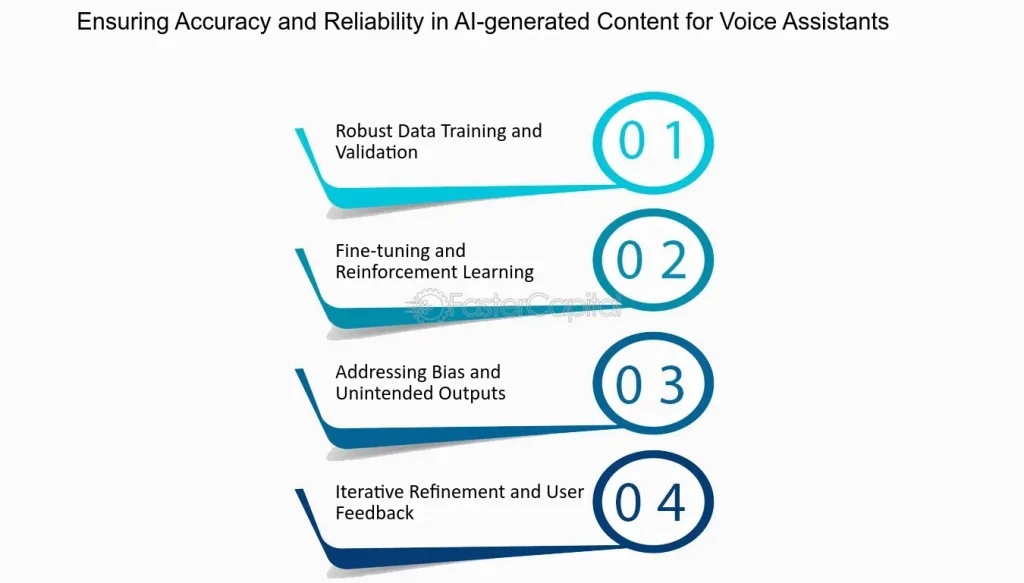
The first ethical hurdle is algorithmic bias. AI VAs are trained on massive datasets, and if these datasets are biased, the AI itself can inherit and perpetuate these biases. For example, an AI trained on news articles about crime might associate certain demographics with higher crime rates, leading to discriminatory recommendations or even unfair decisions made on behalf of the user.
An article by the Algorithmic Justice League revealed that 80% of facial recognition algorithms exhibit racial bias, highlighting the potential for harm. Developers need to actively mitigate bias by employing diverse development teams, auditing data for fairness, and constantly refining algorithms to ensure they remain neutral and objective.
Beyond these immediate concerns, responsible development and deployment of AI VAs require considering the broader societal impact. These assistants have the potential to automate tasks currently performed by humans, raising concerns about job displacement and the impact on the workforce.
While some jobs might be replaced, new opportunities will likely emerge in areas like AI development and maintenance. The key lies in preparing the workforce for the changing landscape, providing education and training programs to equip individuals with the skills needed to thrive in an AI-powered future.
Furthermore, it’s crucial to maintain human oversight and control over AI VAs. While their efficiency and convenience are undeniable, they shouldn’t replace human judgment entirely. Important decisions with ethical ramifications should remain in human hands, with AI acting as a powerful tool to assist, not dictate, our choices.
To Warm Up: Why Businesses Turn to Custom AI-powered Virtual Assistants Development
Imagine having an employee who never sleeps, never gets bored, and can handle a mind-boggling number of tasks at once. So, why should your business implement an AI virtual assistant?
Tailored to your needs, not a one-size-fits-all solution: Unlike generic off-the-shelf VAs, custom-built options can be meticulously crafted to address your business’s specific needs. Think of it like having a personal assistant who’s intimately familiar with your company culture, processes, and jargon. They can tackle tasks like scheduling meetings, generating reports, or even answering customer queries based on your company’s unique knowledge base and communication style.
Boosting productivity and freeing up human potential: Imagine your sales team being able to focus on closing deals instead of chasing down invoices, or your customer service team being able to engage in personalized interactions rather than answering repetitive questions. This shift in focus can lead to a significant boost in overall productivity and employee morale.
24/7 availability and global reach: No time zones or limited working hours. A custom AI virtual assistant operates around the clock, 365 days a year. This means your customers can receive prompt assistance or information, regardless of location or time. Imagine a potential client in Tokyo being able to schedule a meeting or access product information at their convenience, even outside your regular business hours.
Enhanced brand image and a competitive edge: In today’s tech-driven world, embracing cutting-edge solutions like custom AI-powered virtual assistants can project a forward-thinking and innovative brand image. Being seen as an innovator can attract new customers and partners, giving you a significant edge in the marketplace.
So, there you have it. Custom software solution development means powerful tools with the potential to transform your business. Are you ready to step into the future and unlock the potential of a tireless, intelligent assistant by your side?